
Our Journey Since 2020

Opportunities People’s
Justice Leaders

Established in 2020 as the Ohio Prisoners Justice League, our organization embarked on a journey of advocacy.

Amidst the challenges of the Covid-19 era, we committed ourselves to championing the rights of those incarcerated across all 28 prisons in Ohio. Witnessing inadequate healthcare and instances of excessive force and inhumane treatment, we recognized the pressing need for action. Families sought answers, and we emerged as a beacon of solutions.

Our tireless advocacy efforts bore fruit in 2023 with a victorious campaign mandating body cameras for all corrections officers in Ohio’s prisons. Yet, our quest for justice did not cease there. In 2022, we initiated a groundbreaking research study in collaboration with the University of Cincinnati School of Medicine, delving into Post-Incarceration Syndrome.

Acknowledging the significance of inclusive language, we rebranded ourselves as Opportunities People’s Justice Leaders, embracing a philosophy that views every individual as a person, nurturing leaders, and fostering opportunities.

Advocacy in Action

Our Work Began With a Pattern No One Could Ignore

Post-Incarceration Syndrome (PICS) did not emerge as a theory—it emerged as an observation.

Over years of working with formerly incarcerated individuals and their families, the same patterns appeared again and again: hypervigilance, emotional detachment, impaired decision-making under stress, fractured family systems, and difficulty sustaining stability after release.

Traditional reentry models treated these outcomes as compliance failures, motivation gaps, or personal shortcomings.

They were none of those.

They were trauma responses.

Phase 01: The Research

The Origins: SOAR 4031 Foundation

SOAR 4031 Foundation was established to research, document, and respond to the long term psychological and behavioral impacts of incarceration on individuals and families.

Over a multi-year period, SOAR 4031 followed and assessed hundreds of justice-impacted individuals and their family systems, identifying consistent trauma patterns that existing systems failed to name or treat.

From this work, Post-Incarceration Syndrome (PICS) was formally articulated as a trauma based framework not to label people, but to explain what survival inside institutions does to the human nervous system, behavior, and relationships over time.
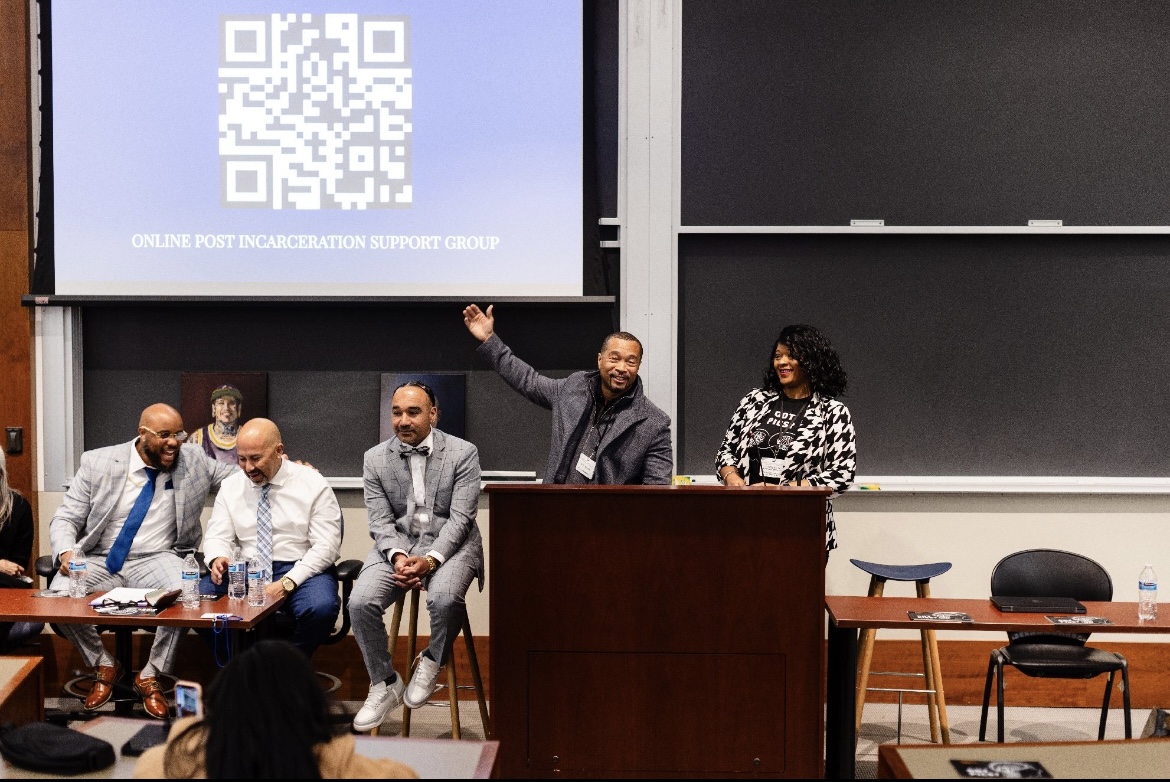

The Transition

From Research to Practice:
Humanity First Provider Network

Research alone does not change lives. Application does.

Humanity First Provider Network was created to operationalize the findings of SOAR 4031 transforming PICS research into real world, trauma informed systems of care.

01

Mental and behavioral health providers

02

Housing and reentry partners

03

Workforce and employment programs

04

Community-based organizations

05

Employers and institutional stakeholders

All aligned around a shared commitment:

Treating justice-impacted individuals as humans responding to trauma, not problems to be managed.

The Platform

Why PICSIsReal.org Exists

PICSIsReal.org serves as the public education and awareness platform for this work.

Name Post-Incarceration Syndrome clearly and accessibly

Validate the lived experiences of justice impacted individuals and families

Educate providers, employers, and institutions

Connect people to PICS informed assessment and support

Shift the narrative from blame to understanding

PICS is real and ignoring it carries consequences.

The Collective Expertise

Leadership &
Contributors

The work of SOAR 4031, Humanity First, and PICSIsReal.org is stewarded by individuals with deep experience across research, mental health, reentry, workforce development, and lived experience.

Who

We Are

Established in 2020 as the Ohio Prisoners Justice League, our organization embarked on a journey of advocacy.

Established in 2020 as the Ohio Prisoners Justice League, our organization embarked on a journey of advocacy.

Amidst the challenges of the Covid-19 era, we committed ourselves to championing the rights of those incarcerated across all 28 prisons in Ohio. Witnessing inadequate healthcare and instances of excessive force and inhumane treatment, we recognized the pressing need for action. Families sought answers, and we emerged as a beacon of solutions.